The invisible thread
The Calling: Bernard-Marie Koltès
Where words become bodies, and silence speaks.
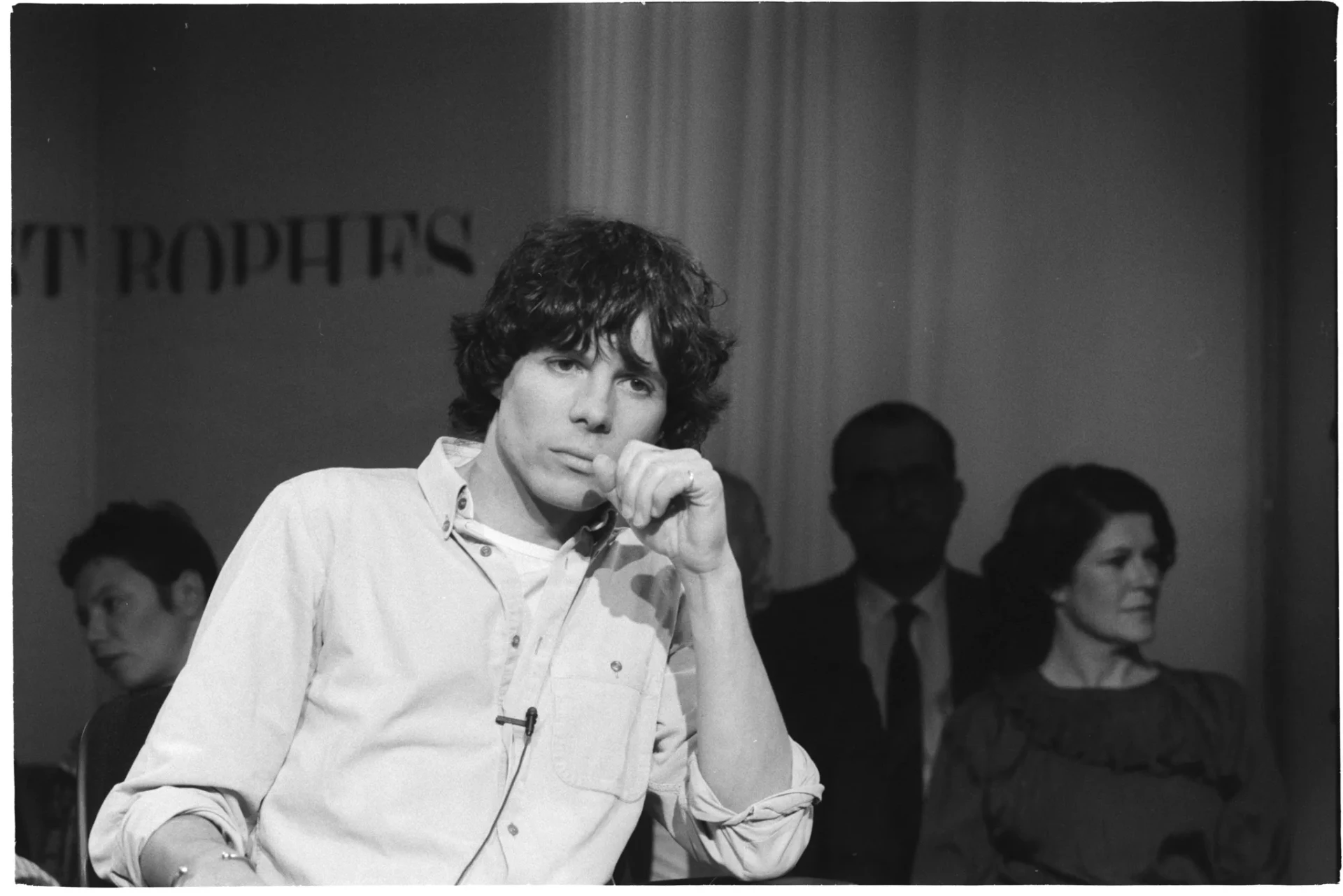
It was not a choice of repertoire.
It was a calling.
A question.
A word.
A sign.
And then, a silence.
Slowly, the world of Bernard-Marie Koltès opened itself to me. An invisible thread, drawing me towards a language I could not yet name.
Through Combat de nègre et de chiens, Dans la solitude des champs de coton and Roberto Zucco, I discovered a theatre where words become bodies, territories, encounters and silences.
A theatre of the Other/of desire and solitude/of violence and human connection
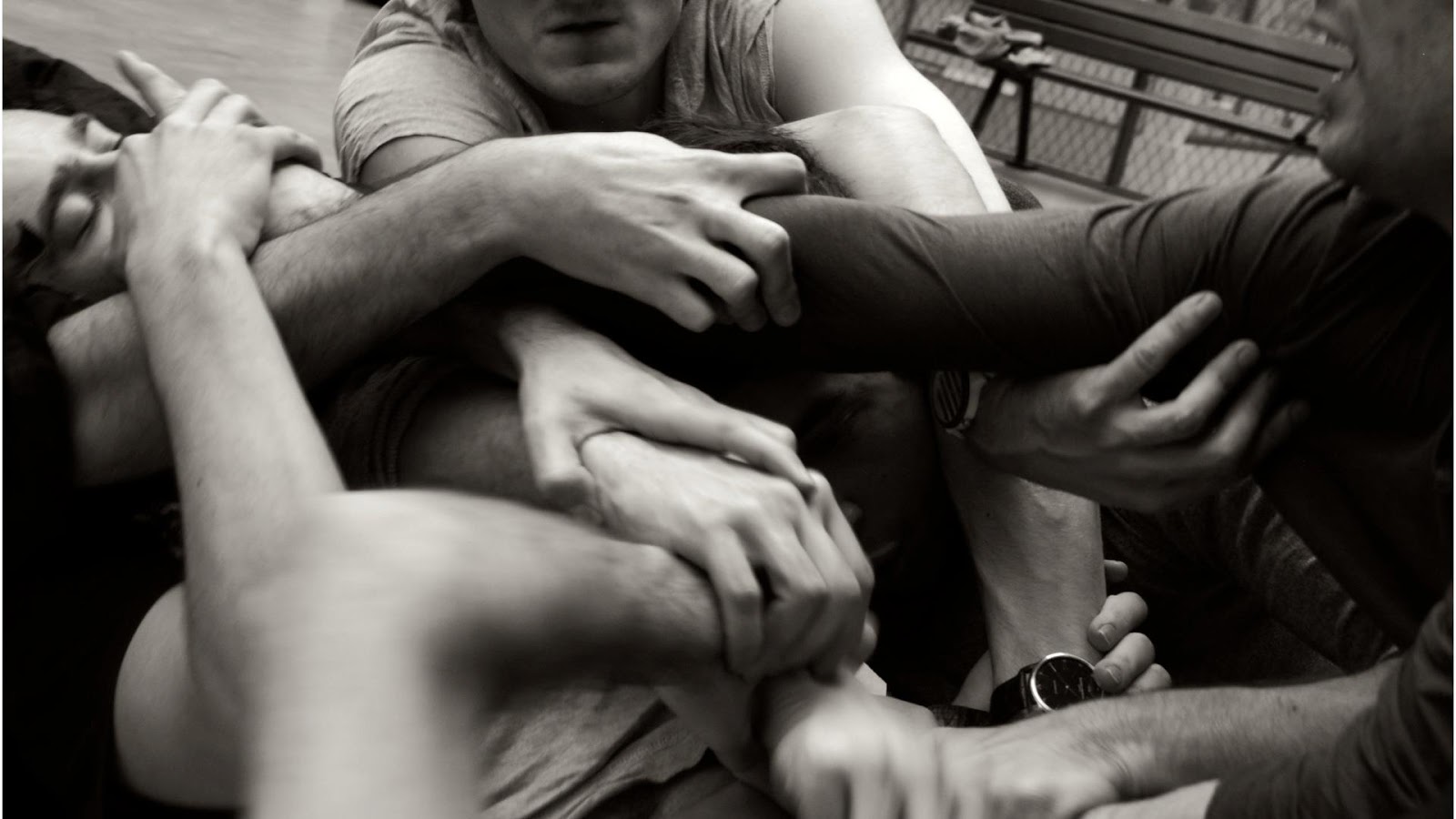
What interested me was not only what the words said, but what happened between them. Between two bodies, two voices, two silences.
Koltès became more than a writer whose work I was exploring.
His language became a place to enter.
And the journey began.
From Greece to Paris.
From the page to the rehearsal room.
From the rehearsal room to the stage.
Through Marseille and across France.
It began with French literature. I read before I played, and reading was already a way of listening to voices. University studies in French language and literature led me, almost naturally, to Arts du Spectacle, and Arts du Spectacle led me to Paris.
There the books left the desk. Rehearsal rooms, workshops, other actors, other accents. What I had studied became something to try with my body, and what I tried on stage sent me back to the text again.
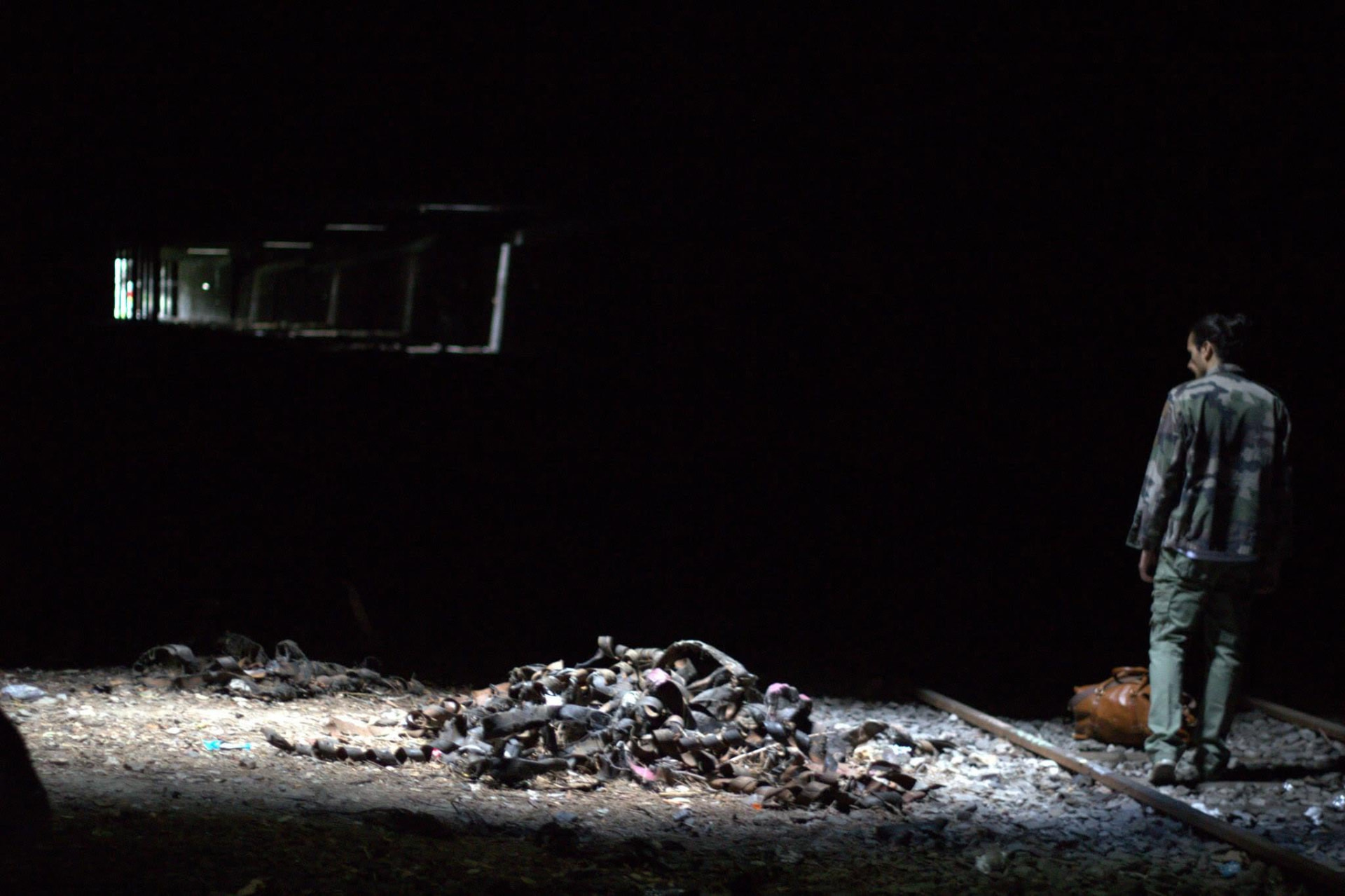
Roberto Zucco
My encounter with Patrice Chéreau, shortly before his death, opened another dimension: the living memory of an extraordinary dialogue between text, body, space and silence.
Later, meeting François Koltès opened another door, towards the archives, the manuscripts and the traces left behind the work.
The invisible thread became tangible.
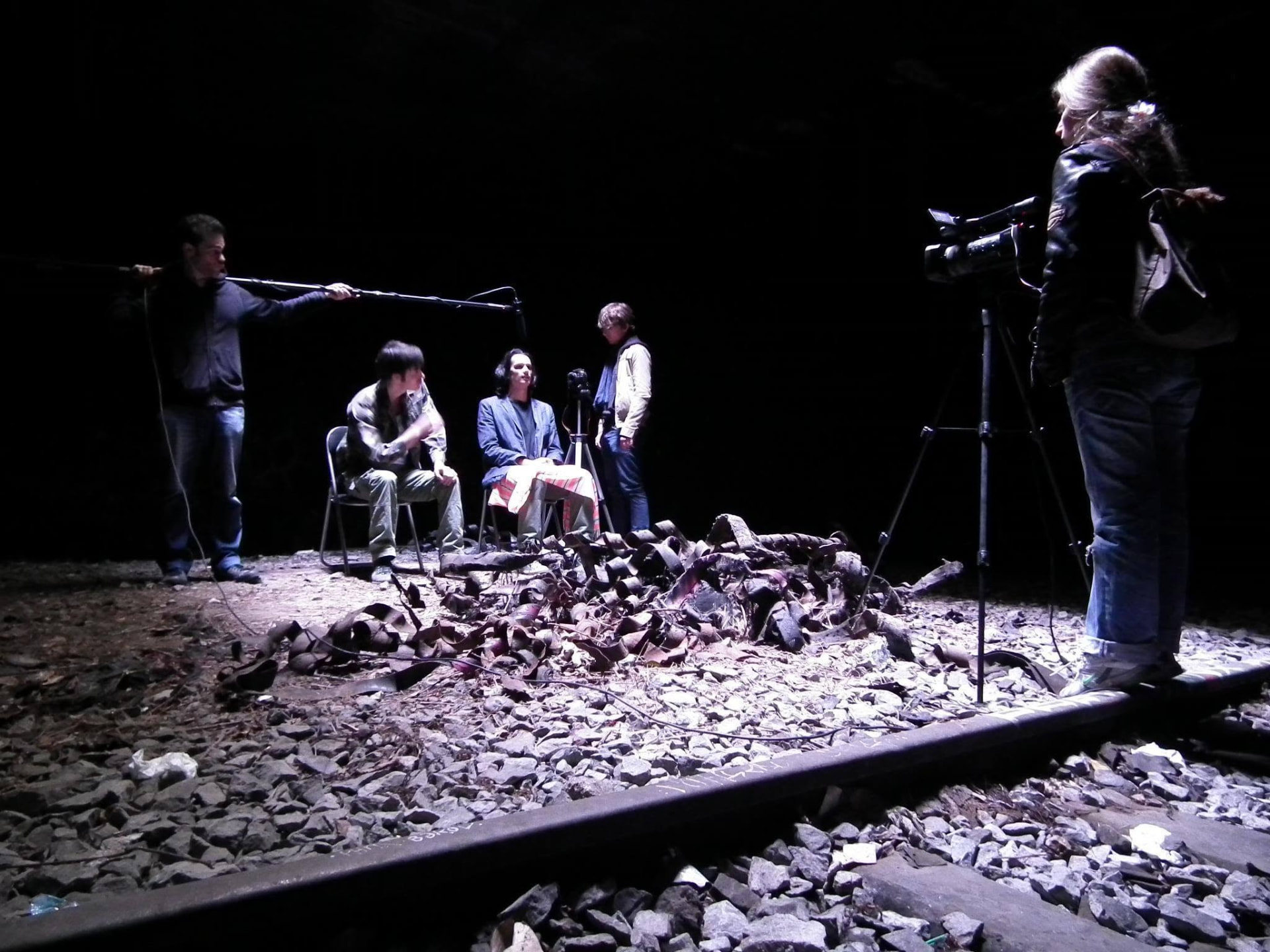
What had begun with a word had become a direction.
Perhaps it was Ariadne’s thread. From Greece to Paris, from literature to theatre, from the world of Koltès towards a language of my own.
Koltès did not simply become part of my artistic path.
He helped shape it.